
How to Make Everyone Feel Welcome at Game Night (2026)
Game nights have a special way of bringing people together, but the feeling of welcome starts long before the first game is chosen. The moment guests arrive, they sense whether the atmosphere is relaxed, open, and easy to step into. A warm start sets the tone for the whole evening.
When people feel included, they naturally participate more, laugh more, and enjoy the experience without pressure. Creating that sense of ease doesn’t require big gestures or complicated setups , just a few thoughtful choices that help every guest settle in comfortably.
In this article, we’ll explore practical ways to make everyone feel welcome at game night. From setting up the space to reading the social dynamics of your group, small details can transform an ordinary gathering into one that people genuinely look forward to.
Setting the Tone for a Welcoming Game Night
Creating a welcoming game night starts long before the first card is drawn or the rules are explained. It begins with the mindset of hosting: choosing to make the evening feel easy, comfortable, and open for everyone involved. Most people don’t need a perfect setup or an expertly curated selection of games, they simply want to feel that there’s room for them to show up as they are.
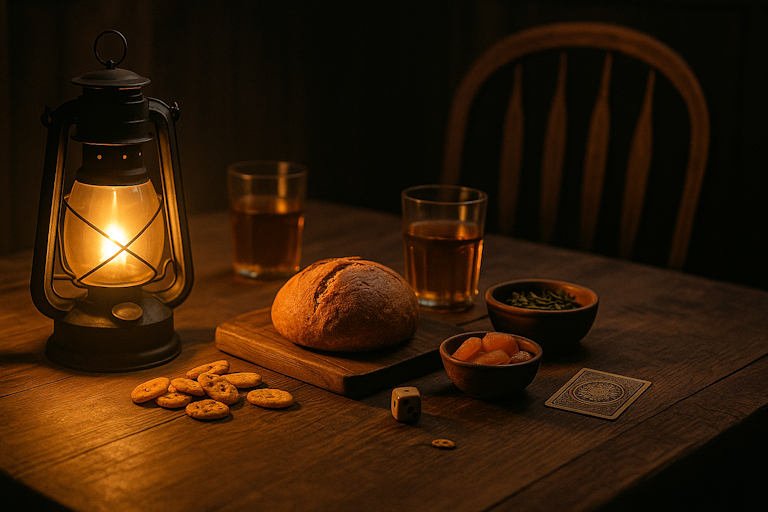
A big part of making guests feel welcome is paying attention to the atmosphere you create. Lighting, seating, background sounds, and even the way you greet people shape the first impression of the night. When the space feels warm and relaxed, guests naturally let their guard down and become more at ease. It’s not about crafting a picture-perfect scene, but about removing the small frictions that can make someone feel out of place.
It also helps to be mindful of the diverse personalities around the table. Some people love jumping straight into a game, while others prefer a moment to settle, observe, or ease into conversation. Recognizing these differences early on allows you to set a tone that accommodates everyone without making the evening feel structured or forced. Each person brings a different rhythm, and a welcoming host lets those rhythms find a shared pace.
Another key part of hosting is clarity. People feel more comfortable when they know what to expect, not in a rigid or overplanned way, but through small cues that help them understand the flow of the evening. A quick overview of what games you’re considering, where drinks or snacks can be found, or even where coats can be placed removes the unspoken uncertainty that can make guests hold back.
Above all, a welcoming game night is built on intention. When people feel seen, acknowledged, and gently included, the rest of the evening unfolds naturally. The games become a shared experience rather than a performance, and the group dynamic turns into something spacious enough for everyone to feel at ease.
Uncover What Awaits Inside the Firefly Inn
Enter the Firefly Inn, where even the simplest moments
have a way of turning into something unexpected.
Small Gestures That Help Everyone Feel Included
While hosting a game night can feel like a big task, much of the warmth people experience comes from small, subtle gestures. You don’t have to be the center of the evening or constantly manage the group — the most welcoming hosts are the ones who make participation feel natural. When guests sense that the table has room for their personality, pace, and preferences, they become more relaxed and open to connecting with others.
These small gestures set the tone early in the night. They signal to guests that they don’t need to perform, impress, or pretend to be more social than they feel. Instead, they can simply settle in and enjoy the experience. Whether the group is new or familiar, these cues help everyone feel grounded and ready to take part.
Here are a few dynamics worth noticing:
- People feel safer when they know what to expect. A simple overview of how the evening will flow reduces uncertainty.
- Guests relax when they can ease in at their own pace. Not everyone warms up at the same speed – and that’s okay.
- Inclusivity grows when you create small points of connection. A comment, a shared laugh, or a moment of gentle encouragement can open the door for someone to join in.
After these first impressions settle, guests tend to read the room more easily. They observe how others communicate, how lighthearted the group feels, and how rigid or flexible the rules are likely to be. You don’t need to control any of this — you simply offer the framework.
It can also help to create an atmosphere where no one feels pressured to outperform others. Games can sometimes stir competitiveness or social anxiety, and a welcoming environment balances that with presence, humor, and a relaxed pace. When people feel they won’t be judged for mistakes, misunderstandings, or slower learning curves, they participate more fully.
By focusing on these subtle but meaningful gestures, you shape an evening where everyone feels seen and comfortable. This foundation makes it easier for the group to develop its own flow, allowing the night to unfold in a way that feels good for every person at the table.
A room glows differently when everyone is at ease — it’s a light you cannot hang, only invite.

Creating a Comfortable Flow for Every Guest
Making people feel welcome at game night starts long before anyone sits down to play. One of the simplest ways to put guests at ease is to prepare the space in a way that signals comfort rather than performance. A clean table, chairs that are easy to reach, and snacks placed within arm’s length already tell your guests: you’re meant to relax here. People often wonder what they should prepare for a smooth evening, but in truth, the details don’t need to be complicated. A bit of light, some warm background music, and a clear surface are enough to make the night feel organized without being strict.
New players especially benefit from subtle cues of reassurance. Instead of announcing rules all at once, you can weave them naturally into the flow of the game. Many people ask how to make newcomers feel included, and the answer is usually much simpler than expected: give them space to ask questions without drawing attention to it. A quiet aside such as “You’ll get the hang of it as we go” does more for someone’s confidence than a long explanation delivered to the whole group. Feeling welcome is rarely about knowing everything upfront, it’s about sensing that mistakes won’t matter.
Another common concern is how to support shy or anxious players. The goal isn’t to push them forward, but to create an environment where they can ease in at their own pace. Small gestures help enormously: offering them a seat with a good view of the table, letting them observe the first round, or checking in with a calm “You good here?” before starting. These moments show that you see them without spotlighting them. Often, that’s enough to help them step into the game when they’re ready.
Smooth game nights also tend to happen when hosts keep the rhythm flexible. People sometimes ask how to handle uneven energy levels or mismatched personalities, and the key lies in pacing rather than control. Allow a natural pause between rounds. Give room for laughter, tangents, and small conversations. When the evening doesn’t feel rushed, even competitive players soften and quieter ones open up. Ultimately, the most memorable game nights aren’t the ones that run perfectly, they’re the ones where people feel free to be themselves.
A Final Touch of Warmth for the Evening
A welcoming game night isn’t about perfect hosting or flawless timing — it’s about creating an atmosphere where people feel free to be themselves. When guests sense that the evening holds space for different personalities and different rhythms, they naturally settle into the flow of the group. The games become a shared experience rather than something people need to “perform” in.
What stays with people afterward is rarely who won or how smoothly every round went. It’s the feeling of being included, of having room to relax, and of connecting without pressure. Small choices, a bit of attention to the atmosphere, and an openness to how the group unfolds are often enough to turn an ordinary evening into one that people look forward to repeating.
By keeping the focus on comfort, presence, and gentle inclusion, you create a game night that feels good for everyone, including yourself. And that sense of ease is what transforms a simple gathering into something memorable.
Uncover What Awaits Inside the Firefly Inn
Enter the Firefly Inn, where even the simplest moments
have a way of turning into something unexpected.