The Secret Power of Color Psychology in Mystery & Suspense Games (2026)
Color speaks long before a player says a word. A board washed in deep green slows the pace of a decision, while a thin edge of muted red around an object quietly sharpens attention. In mystery and suspense board games, shades do far more than decorate the table. They shape how players interpret clues, sense tension, and weigh their next move, often without realizing why a moment feels heavier or quicker than the one before.
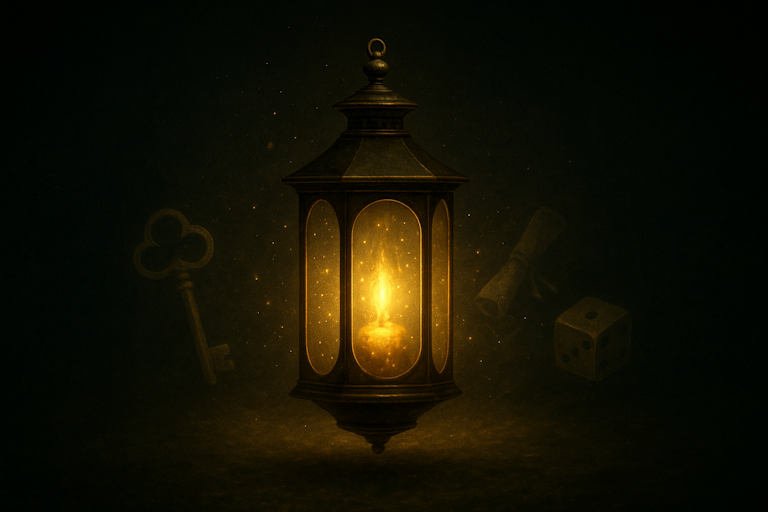
Even the simplest setups carry this effect. A dim lantern casting amber light over the game board softens the atmosphere, while a cool blue corner instantly feels colder or more secretive. A faded card with a green tint may feel safe, while the same card in grey suddenly becomes uncertain. These subtle shifts steer the room’s emotional temperature and guide players into the mindset the game requires: alert, curious, cautious, or boldly decisive.
In this article, we explore how color psychology deepens suspense, directs attention, and elevates the storytelling woven into any mystery or deduction game. No complex theory, just practical insights you can apply to your next low-tech or hybrid game night. Because understanding how color shapes experience means every object on the table becomes a deliberate tool: quiet, powerful and always a step ahead of the players who reach for it.
The Hidden Influence of Color in Mystery and Suspense Games
Color is often treated as decoration, yet in mystery and suspense board games it becomes one of the quietest and most persuasive mechanics on the table. Before the first clue is read or the first token moves, the palette of a game already shapes how players prepare their minds. A board brushed with deep greens invites steady observation. A scene edged in dark red signals that something is off. Even players who insist they are “not visual thinkers” respond to these cues, because color reaches the emotional system faster than conscious reasoning ever could.
Designers know this well. They rely on color to set the stage long before narrative text does. A cold blue map can make an otherwise simple investigation feel distant or perilous. A warm amber corner on the same board instantly softens the atmosphere and draws the eye toward safety or familiarity. These contrasts act as unspoken instructions: slow down here, proceed with caution there, pay attention to this object, or question that path you thought was obvious. Color is a guide, not a spotlight, and that subtlety is exactly why it works.
Suspense thrives on uncertainty, and uncertainty thrives on interpretation. Players are constantly reading the room, the board and the clues, even when they are not aware of doing so. A muted green may suggest an untouched forest or a secretive stranger. A desaturated red can imply danger or urgency, even if no rule in the game confirms it. Designers use this ambiguity to tighten or loosen the emotional tension at will. By shifting a palette from warm to cool, they can alter pacing. By leaning into darker tones, they can make a familiar mechanic feel suddenly unfamiliar.
This influence is not limited to elaborate board designs. Low-tech game nights carry the same weight. Swap the tablecloth from white to grey, and the room becomes more cautious. Place a candle with a warmer flame near the clue cards, and the narrative instantly feels more personal. In suspense-driven play, color is not a detail. It is a signal, a silent narrator, and a structural element shaping every moment of the game.
Uncover What Awaits Inside the Firefly Inn
Enter the Firefly Inn, where even the simplest moments
have a way of turning into something unexpected.
How Color Shapes Emotion, Tension, and Player Decisions
Suspense is built on controlled emotion, and color is one of the most efficient ways to influence how players feel at each stage of a mystery game. Unlike text or rules, color does not wait to be interpreted. It acts immediately, shifting tone, raising alertness or softening the atmosphere long before the group has agreed on their next move. This is why two identical clues can produce completely different reactions depending on the shade surrounding them.
Players rarely articulate these responses. They simply lean into them. A cool-toned scene nudges them to hesitate. A warm-toned one gives them confidence to act. A saturated red edge can trigger urgency, even when no time pressure is written into the rules. Color is not instructive, it is suggestive, and suggestion is the backbone of suspense design.
At the heart of this lies a simple truth: players make faster emotional decisions than rational beslissingen. By directing those emotions, you direct the rhythm of the game. Somewhere around the midpoint of a session, color begins working almost like a hidden mechanic. It amplifies doubt, sharpens suspicion and tilts the group’s interpretation toward certain possibilities over others.
Here are three ways color subtly recalibrates the table:
- Guiding attention: Warm or high-contrast colors pull the eye toward objects or areas the designer wants players to inspect first.
- Creating hesitation: Muted blues and greys introduce distance, quieting the pace and making players second-guess a seemingly simple clue.
- Shaping emotional tone: Deep greens and desaturated reds add weight to a moment, telling players that the stakes are higher than they appear.
These effects accumulate. What begins as a visual choice becomes a psychological tempo. The board feels heavier, the room quieter, the decisions slower or sharper depending on the palette supporting them. Skilled designers use this to prepare emotional arcs: rising tension near the midpoint, uncertainty during turning points, and clarity where resolution begins.
Color also influences group behaviour. A cold palette encourages analytical discussion. A warmer one invites intuitive leaps. This means a simple shift in tone can change not just how players feel, but how they collaborate, argue or take risks. In a mystery game, that collective dynamic is part of the story. Color helps shape it long before anyone consciously notices.

Every hue carries a motive.
The question is never what you see, but why it catches you.
Practical Ways to Use Color Psychology in Low-Tech or Hybrid Game Nights
Designers often rely on deep blues, muted greens and desaturated reds to create suspense, not because these colors are dramatic, but because they influence how players interpret the scene around them. A board that leans into cooler tones immediately feels more uncertain. It slows the internal tempo and makes simple objects appear more layered. This is useful in mysteries, where the feeling of “something is hidden” is just as important as the hidden element zelf.
Players naturally read color cues, even if they don’t realize it. When two objects sit side by side, the one with a warmer or brighter tone draws attention first. That makes it ideal for subtle guidance: a clue you want noticed can be framed in gentle contrast, while distractions or decoys can blend into cooler or desaturated backgrounds. Over time, players begin to rely on these signals, trusting their instincts without knowing that palette, not logic, directed them.
Lighting intensifies this effect. A warm lantern softens reds into browns and makes greens feel steadier, creating an atmosphere that feels safe enough for bold moves. A cooler bulb, or even a small shift in direction, turns the same palette sharper, colder and more suspicious. This interplay between color and light is crucial in mystery-driven play, because it shapes the emotional meaning of each scene. The same clue can feel urgent, ominous or irrelevant depending on how the light touches it.
In low-tech or hybrid game nights, these tools are surprisingly easy to use. A tablecloth in a heavier shade can change the entire tone of the session. Candlelight or a dimmed lamp can instantly add narrative weight. Even the way cards are arranged on the table matters: placing a suspect card slightly deeper into shadow makes players interpret that character as more secretive, even before a single rule confirms it. These gentle manipulations of color and contrast are not cosmetic, they are functional.
What makes color so powerful is its capacity to guide the story without ever breaking immersion. It shapes tension, directs the eye, alters pacing and shifts group behaviour, all while staying invisible as a “mechanic.” When used with intention, color becomes a quiet narrative partner. It ensures that every reveal, misdirection and breakthrough lands with the emotional weight the mystery deserves, whether the game relies on elaborate components or nothing more than a dim room, a board and a willing group of players.
Color as a Silent Architect of Suspense
Color rarely announces itself, yet its influence threads through every moment of a mystery game. It guides attention without speaking, shapes emotion without instruction and alters pacing without ever being named as a mechanic. When players lean forward, hesitate, trust a hunch or doubt a clue, color is often the invisible hand that nudged them there. Its ability to deepen suspense lies not in intensity, but in restraint: subtle shifts, gentle contrasts and quiet tones that work beneath conscious reasoning.
For low-tech or hybrid game nights, this makes color one of the most accessible tools available. A single light source, a careful choice of table surface or the placement of shadows across a set of cards can shift the entire room’s emotional balance. It allows every host or designer to fine-tune atmosphere without needing complex components. And within the world of mystery and deduction, atmosphere is not a luxury. It is part of the story structure itself.
When used with intention, color becomes an unspoken collaborator in the narrative. It heightens uncertainty, supports misdirection, and enhances the satisfaction of a breakthrough moment. Each shade becomes a small lever in the larger system of tension. Each shadow becomes a part of the puzzle. And players, whether they realize it or not, follow the trail that color quietly lays before them.
Uncover What Awaits Inside the Firefly Inn
Enter the Firefly Inn, where even the simplest moments
have a way of turning into something unexpected.