
Cozy Mysteries vs. Dark Mysteries: How Tone
Changes the Whole Experience (2026)
Mysteries come in many forms, but few contrasts are as striking as the divide between cozy and dark. Even if we don’t consciously analyze it, we immediately sense the difference: one tone feels warm and inviting, while the other carries weight, tension, or unease. Tone works like an emotional compass shaping our expectations, guiding our focus, and coloring the way we experience every moment of the story.
Cozy mysteries lean gently toward comfort. They offer soft lighting, manageable stakes, familiar settings, and a sense of safety that makes curiosity feel pleasant rather than risky. Dark mysteries shift the atmosphere in the opposite direction. Through shadows, silence, and sharper contrasts, they create an environment where every detail matters a little more and the outcome feels far less predictable.
The difference isn’t just aesthetic; it’s experiential. Tone influences how we engage, how we interpret clues, and how we respond emotionally as the mystery unfolds. In this article, we’ll explore what shapes these two distinct tones, how they affect the overall feel of a mystery, and why both cozy and dark approaches carry their own unique appeal.
What Makes a Mystery Cozy or Dark
Tone begins long before the first clue appears. It’s shaped by the world around the mystery the textures, the lighting, the rhythm of the scenes, and the emotional distance or closeness we feel to what’s happening. When we talk about cozy versus dark mysteries, we’re really talking about two different emotional frameworks that guide the entire experience.
Cozy mysteries often rely on familiarity. They’re set in places that feel lived-in rather than intimidating, small towns, warm rooms, or gathering places where people know each other. The tension exists, but it never overwhelms. Instead, the atmosphere reassures us that the pieces will fall into place, the disruptions will be temporary, and the journey will be more about curiosity than fear. Warm colors, gentle pacing, and lightly humorous or comforting moments all reinforce this sense of safety.
Dark mysteries take those same building blocks , clues, questions, uncertainty, and heighten the emotional weight behind them. The settings are often colder or more neutral, the shadows deeper, the stakes heavier. Silence becomes more pronounced; pauses feel charged rather than cozy. This doesn’t mean dark mysteries rely on shock or violence. Instead, they lean into mood: subdued palettes, slower reveals, and the awareness that understanding might come with a cost. It’s a different kind of engagement — one that asks us to look closer, listen differently, and expect the unexpected.
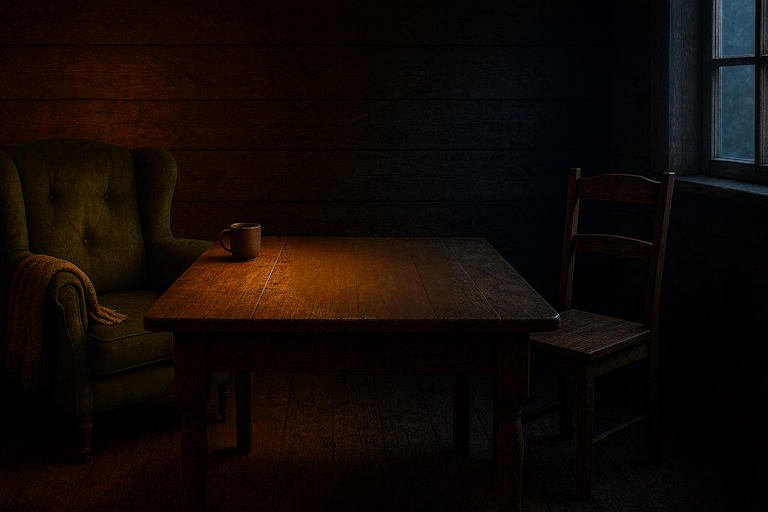
In both cases, tone is not determined by the plot alone. Two stories with similar events can feel completely different based on how they’re presented. A clue found in a sunlit kitchen brings a different emotional response than one discovered in an empty hallway at dusk. Even small choices, a warm blanket over a chair, or a stark wooden surface, influence how we interpret the same information. We respond not just to what happens, but to the atmosphere wrapped around it.
This is why cozy and dark mysteries resonate in such distinct ways. One invites us in gently; the other holds our attention with a quieter, sharper edge. Understanding that subtle difference is the key to appreciating how tone shapes every step of the journey.
Uncover What Awaits Inside the Firefly Inn
Enter the Firefly Inn, where even the simplest moments
have a way of turning into something unexpected.
How Atmosphere Shapes the Experience
Tone isn’t just a stylistic choice; it quietly directs how we feel our way through a mystery. The atmosphere surrounding each moment influences the pace at which we process clues, the expectations we form, and the emotional weight we assign to what unfolds. A shift in lighting, a change in setting, or even the texture of a room can alter how we interpret the same event.
Cozy mysteries make use of warmth and familiarity. They soften the edges of uncertainty, encouraging a sense of curiosity without the tension that usually accompanies darker stories. Dark mysteries, meanwhile, cultivate a more focused kind of attention. Their atmosphere narrows the emotional space, creating a sharper awareness of silence, pacing, and subtle cues.
Three elements tend to define how strong that atmospheric influence feels:
- Lighting and color, which guide the emotional temperature of the scene.
- Setting and space, shaping whether a moment feels safe, neutral, or unsettling.
- Pacing and silence, determining how quickly or slowly tension builds.
Together, these elements alter not only how a mystery looks, but how deeply we engage with it. A brightly lit room invites open conversation and shared hypotheses; a dim hallway slows everything down and shifts attention to smaller, quieter details. The same clue can feel playful or ominous depending on the atmosphere wrapped around it.
When we pay attention to these subtle cues, we begin to understand why certain mysteries feel comforting while others feel weightier. Atmosphere doesn’t answer questions, but it tells us how to hold them — lightly, with ease, or with a sharper sense of anticipation. It’s this invisible framework that shapes the emotional footprint of the entire experience.

Light reveals what comfort wants you to see;
shadow reveals what truth needs you to notice.
What shifts first for you — the light in the room, or the way you read it?
The Emotional Difference Between the Two
Cozy and dark mysteries don’t just look different they feel different in ways that shape how we engage with them. Tone reaches us on an emotional level before we even process the first clue. A cozy scene invites us to settle in, to explore with a sense of ease, to trust that whatever uncertainty appears will resolve without shaking the world around it. It’s the kind of atmosphere that encourages curiosity without raising the pulse too much.
Dark mysteries move differently. They create a sense of alertness, the quiet awareness that something is shifting just outside the center of your attention. Even small details take on more weight: a pause in conversation, a door left ajar, a shadow that lingers a little longer than expected. These elements don’t shout for attention, but they narrow the emotional space, sharpening the senses and making each discovery feel more consequential.
What’s interesting is that neither tone dictates the quality of the mystery, both can be equally clever, layered, or surprising. What changes is the emotional contract with the audience. Cozy mysteries promise reassurance along the way, even if the path twists. Dark mysteries offer tension and ambiguity, asking you to sit with uncertainty until the moment of clarity arrives. One feels like walking through a warm room filled with soft light; the other feels like stepping into a corridor where your footsteps echo.
The emotional difference affects how we remember the story too. Cozy mysteries leave us with a sense of comfort, a gentle return to normalcy. Dark mysteries linger differently, often staying with us because of their intensity, their atmosphere, or the way they made us notice things we might otherwise overlook. Tone becomes the invisible thread that ties the experience together.
Why Tone Matters More Than We Think
Tone doesn’t just color a mystery it determines how we move through it. Whether the story feels warm and inviting or quiet and intense, the atmosphere shapes our expectations long before we reach any answers. It guides how we interpret clues, how deeply we lean in, and how we connect with the experience as a whole.
Cozy mysteries remind us that curiosity can feel safe. Dark mysteries remind us that uncertainty can sharpen our senses. Both tones offer something meaningful, and both reveal different sides of how we pay attention. Understanding this makes every mystery richer, because we stop looking only at what happens and start noticing how it happens.
And once we see the tone at work, we begin to appreciate the journey in a new way not just for its twists, but for the atmosphere that carried us there.
Uncover What Awaits Inside the Firefly Inn
Enter the Firefly Inn, where even the simplest moments
have a way of turning into something unexpected.