

Immersion for Beginners: Simple Tweaks That Transform Game Night (2026)
Making game night feel immersive doesn’t require elaborate props or complex storytelling. Most of the time, the difference comes from tiny shifts — the kind you barely notice until suddenly everyone is more focused, more engaged, and more present. If you’ve ever thought immersion was something reserved for seasoned hosts or dramatic role-players, think again.
Immersion is really about atmosphere: the feeling that the group has stepped into a shared moment rather than simply gathering around a table. It’s the softness of the lighting, the way the room settles, the sense that the game matters just a little more tonight. These signals help players leave the day behind and ease into the experience in front of them.
The good news? You don’t need special tools, artistic experience, or hours of preparation. A few thoughtful tweaks — the kind anyone can make — can transform the energy in the room and turn an ordinary evening into something people remember. In this guide, we’ll start with the simplest steps that create the biggest shift.
Setting the Scene for Effortless Immersion
Immersion doesn’t come from grand gestures — it comes from the smallest details that nudge people out of autopilot and into presence. When a game night feels ordinary, players stay in their everyday rhythm: half-focused, half-distracted. But when the environment shifts just a little, attention shifts with it. People look up more. They listen differently. They give the moment a chance to become something more than routine.
The first layer is atmosphere, and it doesn’t require elaborate props. A warm lamp placed slightly to the side, a candle flickering safely on a shelf, or even draped fabric that softens the light can change the tone of a room instantly. Harsh overhead lighting keeps people alert; gentle ambient lighting helps them settle. You’re not trying to create drama — you’re creating readiness. Immersion grows wherever people feel held by the environment rather than interrupted by it.
Next comes tempo. How a game starts often determines how deeply people fall into it. A rushed beginning keeps the energy scattered; a moment of arrival gathers it. That moment can be incredibly simple: a shared breath, a short sentence, a quiet gesture while everyone gets comfortable. These small cues tell the group, “We’re stepping into something together now.” Players begin paying attention to the room, to each other, and to the subtle emotional rhythm around the table.
A third layer is sensory coherence — giving the room one clear direction instead of mixed signals. If the lighting is warm, keep colors warm. If you use soft textures, avoid overly shiny objects. If there’s background sound, let it be gentle and consistent. When the senses point in the same direction, people stay anchored. When they clash, the spell breaks. Immersion isn’t fragile, but it is easily diluted.
Finally, the tone is strengthened by removing distractions. Turning off notifications, choosing a stable seating arrangement, or simply clearing the table so only intentional items remain helps the mind understand: this is the focus now. With fewer competing inputs, players naturally give themselves over to the moment.
Immersion begins with attention. Your job is not to force it — only to make the room soft enough that attention has somewhere to land.
Uncover What Awaits Inside the Firefly Inn
Enter the Firefly Inn, where even the simplest moments
have a way of turning into something unexpected.
Small Adjustments That Shift the Entire Experience
Once the foundation is set, immersion deepens through tiny, intentional choices — the kind that feel almost invisible while you’re doing them, yet unmistakable once the game is underway. These tweaks don’t demand extra effort from players; instead, they gently guide their attention without announcing themselves.
One of the simplest starting points is to shape how people enter the moment. Before the first move is made, offer a cue that signals transition: dimming the lights, placing one meaningful object on the table, or sharing one sentence that sets the tone. It doesn’t matter which you choose — what matters is the shared pause. That brief shift tells everyone their everyday mind can soften, and the game-mind can take its place.
As the environment settles, small sensory anchors strengthen the tone even further. You can introduce these gradually, such as:
- A subtle scent that stays consistent throughout the night — not strong, just present enough to create atmosphere.
- A comfort sound, like soft ambient music or a muted crackle, that gives the room a cohesive backdrop.
- One tactile element, such as a warm fabric, a wooden tray, or a single decorative piece that players naturally rest their hands near.
These anchors work because they give the senses a direction to follow. People relax faster when they don’t have to navigate conflicting signals.
It also helps to guide the early rhythm of interaction. A short moment before the game begins — a shared look, a playful question, a simple “ready when you are” — pulls everyone into the same emotional space. It doesn’t need to be formal or theatrical; sincerity is enough. Players read the room, respond to each other, and subtly shift into a more connected mode.
Immersion isn’t about hiding reality; it’s about shaping it. When the environment, the senses and the group’s attention gently align, the ordinary fades just enough for the experience to take over.
Guiding Players Into a Shared State of Flow
Immersion becomes effortless once players begin responding to the same emotional rhythm. At first, this rhythm is fragile — it needs gentle guidance, not heavy-handed direction. One of the best ways to support it is by shaping the opening moments of the game. When the tone is clear from the beginning, players naturally fall into sync without needing explanations.
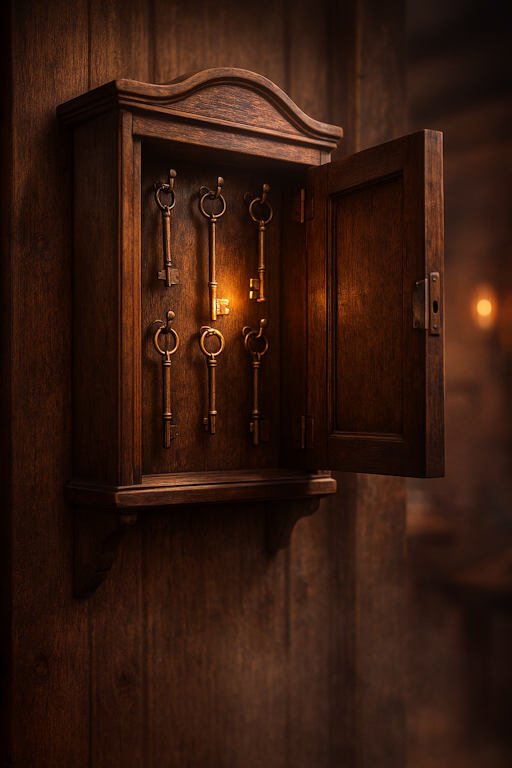
As the game continues, the environment can carry more of the weight. The right lighting, a meaningful object on the table, or a warm detail in the room becomes a quiet reminder that this moment is set apart from the everyday. These details don’t need to be dramatic; they simply need to help players feel held, focused and fully present.
Conversation also plays a subtle role in drawing everyone deeper into the experience. When players match each other’s pace — slowing down, listening longer, responding with intention — the atmosphere shifts. It becomes less about winning or rushing through actions and more about giving the story, the choices and the group dynamic space to breathe. That is often the moment when immersion “clicks.”
Even small symbolic gestures can reinforce this shared focus: placing a single item at the center of the table, agreeing on a simple phrase to mark transitions, or taking a quiet breath before the next round begins. These gestures act as anchors. Without interrupting the flow, they remind players that they’ve stepped into something slightly outside ordinary time.
Over time, these tiny adjustments begin to stack. What started as a normal evening subtly transforms into something that feels richer, calmer and more connected. That is the real power of immersion: not spectacle, but the gentle pull into a shared world where everyone is more attuned — to the game, to the moment, and to each other.
When the World Slips Into Place
Immersion doesn’t happen because a game is complex — it happens because the people at the table feel gently guided into the same moment. When you make small, intentional choices about atmosphere, pacing and attention, players stop noticing the setup and start sinking into the experience itself.
And the best part? You don’t need to overhaul anything to get there. Just a few thoughtful tweaks can turn an ordinary game night into something that feels grounded, memorable and quietly magical.
Uncover What Awaits Inside the Firefly Inn
Enter the Firefly Inn, where even the simplest moments
have a way of turning into something unexpected.