Why Light vs. Darkness Makes Every Game More Dramatic (2026)
Light and darkness aren’t just visual elements — they’re emotional cues. Whether you’re playing a board game, an escape-room style adventure, or a narrative mystery, the contrast between brightness and shadow changes how every moment feels. It creates tension, adds atmosphere and shapes how players interpret what’s happening.
Think of how differently a clue lands when it appears in warm light versus deep shadow. The same card, token or reveal can feel cozy, suspicious or dramatic depending on how it’s framed. Our brains react instantly to contrast, even when we’re not consciously aware of it.
And because games are shared experiences, that contrast doesn’t just shape mood — it shapes interaction. Light invites openness; darkness adds intrigue. Together, they create the emotional rhythm that pulls players deeper into the moment.
Why Contrast Shapes Emotion More Than We Notice
From the moment players sit down, light and shadow begin doing subtle work in the background. Human perception is wired to react to contrast: brighter areas draw the eye, while darker areas create curiosity, caution or anticipation. In games, that means the environment can amplify tension long before the first clue appears.
A brightly lit space keeps things open and straightforward. Players can read each other’s expressions easily, follow the flow of the game without effort and stay relaxed as information unfolds. It’s the kind of setting that supports teamwork, casual conversation and gentle mystery — the kind where discoveries feel inviting rather than intimidating.
Darkness introduces something entirely different. Shadows create pockets where details hide, making every decision feel more deliberate. A simple reveal becomes more dramatic when the environment feels uncertain. Even a familiar object — a card, a token, a handwritten note — carries more weight when it emerges from a dim corner rather than a brightly lit table. Our minds fill in what we can’t see, and that sparks imagination at a deeper level.
The power of light-versus-dark isn’t about aesthetics alone. It influences pacing. In well-lit environments, the game tends to move more quickly because players feel confident and visible. In darker settings, people naturally slow down, observe more carefully and engage with more emotional intensity. Both energies add value — the key is choosing which one serves the type of story or atmosphere you want to create.
Uncover What Awaits Inside the Firefly Inn
Enter the Firefly Inn, where even the simplest moments
have a way of turning into something unexpected.
How Light and Darkness Shape Player Behavior
Light and darkness don’t just change how a game looks — they change how players behave. Even subtle differences in brightness can shift attention, energy and emotional tone in ways that are surprisingly reliable.
In bright environments, players tend to lean forward, speak more openly and react faster. The atmosphere feels social and transparent, making it easier to follow each other’s cues. Because nothing feels hidden, the game takes on a natural ease — perfect for cooperative play or relaxed mysteries that unfold through conversation rather than tension.
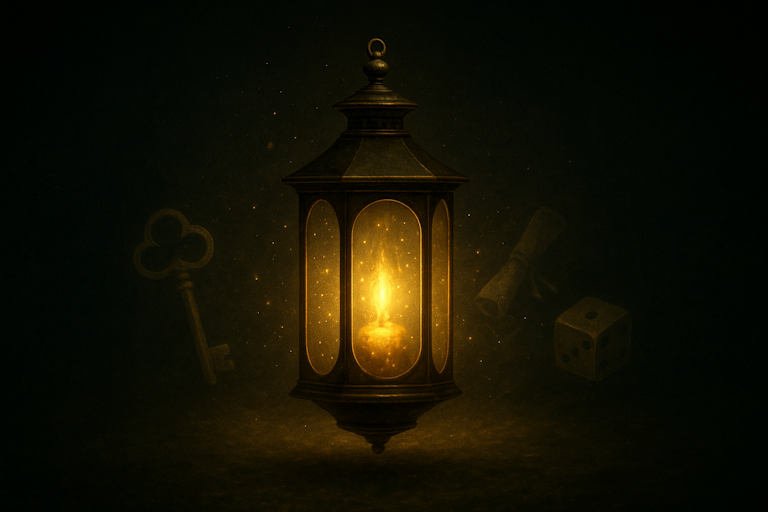
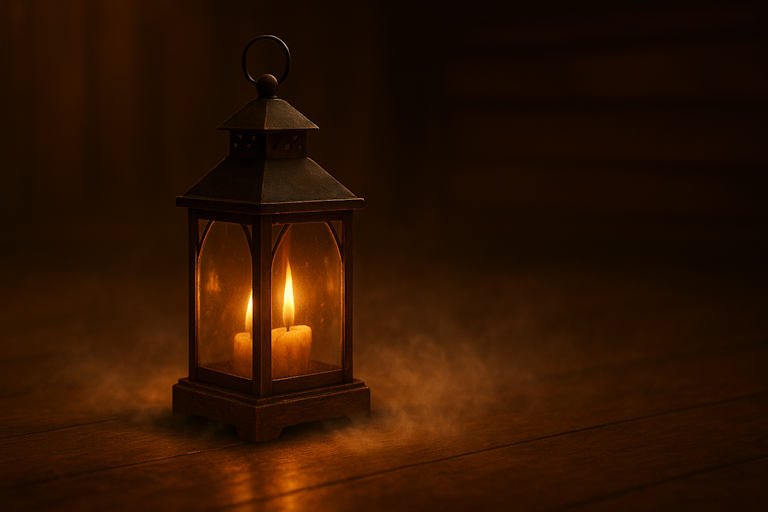
Darkness invites a different rhythm. Players instinctively become quieter, more intentional and more attuned to details. It doesn’t take much — a dimmed lamp, a single candle, or shadows pooling around the edges of the room. In that softened light, every reveal lands with more weight. Even simple actions feel charged because the environment nudges players into a slower, more perceptive mode.
A few small choices can shift the tone dramatically:
- Use warm light when you want players to engage socially and stay emotionally open.
- Dim the perimeter of the room if you want moments of suspense to feel sharper and more intimate.
- Introduce a single focused light source when you want attention to gather around an object or clue.
These elements don’t require dramatic staging — most of the impact comes from contrast itself. A room doesn’t need to be dark to feel mysterious; it just needs one area that invites curiosity by hiding a little more than the rest.

Where light ends, meaning begins.
Look twice at whatever hides at the edges
it rarely stays silent for long.
How Shadow Adds Depth Without Overwhelming the Game
Shadow is often misunderstood as something heavy or overly dramatic, but in games it works best in small, deliberate doses. A hint of darkness creates room for imagination — not fear, just possibility. When players can’t see everything at once, they naturally slow down, pay attention and engage with more curiosity. It’s the contrast with what is visible that makes the experience richer.
Even a simple object becomes more intriguing when part of it is hidden. A note half-covered by shadow feels more secretive. A token that catches only a sliver of light feels more important. Our minds automatically start filling in the blanks, making the reveal moment feel bigger than the object itself. This is where shadow quietly deepens the emotional texture of a game.
Light, on the other hand, anchors players. It gives direction, clarity and reassurance. A well-placed light source tells players where to look and when something matters. It softens tension when the game risks becoming too heavy, and it helps guide the emotional pacing by creating pockets of warmth between moments of suspense. When used intentionally, light becomes its own form of storytelling.
The strongest moments often come from the interplay between the two: a warm light focused on a clue, surrounded by just enough shadow to heighten anticipation. It’s not about darkening the room — it’s about shaping attention. The drama comes from the contrast, not from turning the space into a stage.
When games use this balance well, players often describe the experience as “feeling deeper,” even if they don’t notice why. The contrast nudges them into a more immersive mindset, where every reveal feels layered and meaningful. It’s a subtle shift, but one that turns a simple scene into something worth remembering.
Letting Contrast Do the Storytelling
Light and darkness don’t just decorate a game — they guide how it’s felt. When you use contrast intentionally, even simple scenes become more engaging, more atmospheric and more memorable. A warm glow invites openness; a soft shadow invites curiosity. Together, they shape the emotional rhythm of the experience without ever needing to say a word.
You don’t need elaborate setups to make this work. Just a few thoughtful choices in lighting can shift the tone, deepen the mood and bring out the drama already present in the game. When light and shadow work in harmony, they create a sense of depth that pulls players closer to the moment — and closer to each other.
Uncover What Awaits Inside the Firefly Inn
Enter the Firefly Inn, where even the simplest moments
have a way of turning into something unexpected.