
How to Make Online Games Feel Social Again: Simple Tricks That Really Work (2026)
Online games were supposed to make staying connected easier — yet for many people, they slowly started feeling more like quiet screens than shared moments. The jokes don’t land the same way, the energy drops faster, and even games you love can feel strangely distant when everyone is in a separate room.
But connection doesn’t disappear just because players aren’t sitting around the same table. Often, it’s the smallest details that decide whether an online game night feels warm and social… or flat and forgettable. A bit of shared atmosphere, a few tiny rituals, and a clearer sense of presence can shift the entire experience.
You don’t need new platforms or complicated setups to bring that feeling back. With a few thoughtful adjustments, online play can feel close again — like a moment the whole group actually shares, rather than a call you happen to join.
Why Online Games Lost Their Social Spark
When online games first became popular, it felt exciting to be able to gather without needing to be in the same room. But over time, the experience changed. Calls became background noise, players multitasked more, and the shared energy that usually fills a room slowly faded. Even with the best intentions, it’s harder to feel connected when everyone sits behind their own screen, reacting to the same moments but not necessarily sharing them.
Part of this shift comes from how online play interrupts the natural rhythm of being together. In person, people chat while setting up, joke while waiting for their turn, lean closer to look at a board, or simply enjoy the feeling of company. Online, these spontaneous moments disappear. There’s no eye contact, no shared table surface, no body language to anchor conversations. Many players miss subtle signals — a smile, a quick glance, a playful shrug — that normally make games feel alive and social.
Another reason online games feel less warm is that digital spaces don’t naturally create a sense of arrival. When you meet in person, the act of entering a room already signals: we’re here together now. Online, most people jump in abruptly after doing something else, still half in their previous task. Without a transition, the brain treats the call like another meeting instead of a social moment meant for play and connection.
And then there’s the issue of uneven presence. Some players speak less online, others dominate by accident, and the flow becomes harder to balance. Silence feels heavier than it would in person, while talking over each other feels more disruptive. Even groups who get along extremely well in real life can find themselves oddly disconnected when the conversation has to pass through microphones instead of the natural rhythm of a shared space.
Yet none of these challenges are permanent. Once you understand what makes online games lose their social spark, it becomes surprisingly easy to bring that warmth back — without changing the game itself or relying on complicated tools.
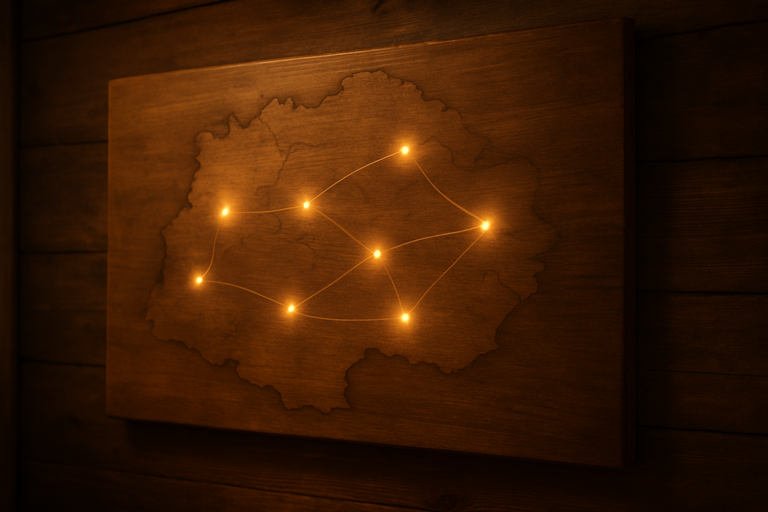
Uncover What Awaits Inside the Firefly Inn
Enter the Firefly Inn, where even the simplest moments
have a way of turning into something unexpected.
How Small Adjustments Bring Back Real Connection
Re-creating social warmth online doesn’t require big changes — it requires intentional ones. The goal is to rebuild the tiny cues and shared rituals that make people feel present with each other, even when the table is virtual. One of the strongest ways to do this is by giving the group a moment of transition: a small pause where everyone shifts from “busy mode” to “we’re here together now.” It sounds simple, but it frames the entire night.
At that point, it helps to add a few gentle anchors that remind everyone this is meant to be a shared, social experience. Many groups find that a handful of small adjustments make an unexpectedly big difference, such as:
- choosing a simple ritual everyone does at the start (lighting a candle, placing a token on their desk, or sharing one word about their day);
- setting a shared rhythm for turns or discussions so no one fades into the background;
- using visual or auditory cues — a soft sound, a gesture, or a tiny “ready” signal — to bring players back into the moment.
What matters is not the complexity of these ideas, but the consistency. These small anchors recreate the natural flow that usually comes from sitting together around the same table. They reduce awkward silences, help players stay engaged, and create a sense that the game night is a real gathering rather than just another call. When everyone participates in the same small gestures, the experience feels less like a screen-based activity and more like a shared presence.
And once these elements are in place, the social energy begins to rebuild itself. People joke more. They listen better. The game feels less abstract and more human. Even the quiet moments gain warmth again — the kind of warmth that makes a virtual night feel almost as grounding as being together in person.
Tools and Tricks That Make Online Play Feel Human Again
Bringing warmth back into online games often starts with choosing tools that support presence rather than distraction. A simple and stable call platform is usually enough — you don’t need elaborate systems or new technology. What matters is that everyone can hear each other clearly, see the shared game space, and feel that the digital setup won’t interrupt the flow of the evening. When the technical foundation is calm, people relax more easily into the social side of play.
From there, the tools you add should strengthen the group dynamic, not complicate it. Shared whiteboards, digital sticky notes, or even a basic “hand-raise” feature can help regulate conversation so no one gets lost in the mix. These small structures replace the natural cues you’d have around a real table. They give quieter players room to speak, help smoother players slow down, and prevent the kind of cross-talk that makes online games feel chaotic rather than social.
One of the most overlooked ways to rebuild connection is to re-introduce micro-interaction — the tiny signals people normally exchange in person. A simple “ready” gesture, turning on a soft sound when it’s someone’s turn, or even having a shared image or object visible on screen creates a sense of shared environment. These cues act as subtle prompts that keep everyone grounded in the same moment, even if they’re scattered across different homes.
Another surprisingly effective trick is pacing. Games with quick turns or natural breaks tend to feel more social online because they allow frequent check-ins and small reactions. Slow or sprawling games can work too, but they often need additional nudges — brief summaries, small clarifying questions, or short recaps to keep everyone aligned. These moments of regrouping replace the in-person table chatter that usually keeps the energy afloat.

In the end, the best tools are the ones that disappear into the background. When players stop thinking about how to operate the call and start focusing on each other, the social spark returns. Voices feel closer, reactions feel sharper, and the shared experience becomes louder than the distance between screens. That’s when a virtual game night stops feeling like a workaround — and starts feeling like time well spent together.
Bringing Back the Feeling of Playing Together
What makes an online game night feel social again isn’t a long list of features — it’s the sense that everyone is genuinely sharing the same moment. When players have small rituals, clear signals, and a bit of atmosphere to hold on to, the distance between screens feels much smaller. The group settles into a shared rhythm, conversations flow more naturally, and the game becomes a space where people show up rather than just log in.
Connection doesn’t depend on being in the same room; it depends on how intentionally we shape the time we spend together. With a few thoughtful adjustments, online play can feel lively, warm, and human again — not a substitute for in-person gatherings, but a meaningful experience in its own right.
Uncover What Awaits Inside the Firefly Inn
Enter the Firefly Inn, where even the simplest moments
have a way of turning into something unexpected.